Is the kafala sponsorship system still in force? Partly. Qatar and Saudi Arabia reformed their core rules between 2020 and 2021, ending the requirement for employer consent to change jobs or leave the country for most workers, and Qatar introduced the region's first binding minimum wage. Kuwait, Bahrain, Oman, Lebanon and Jordan retain versions of sponsorship, and domestic workers remain the least protected category everywhere.
Kafala, sponsorship, is the legal arrangement under which a migrant worker's residence permit is tied to a specific employer, who historically acted as gatekeeper for the worker's entry, job change and exit. In its unreformed form, quitting meant losing legal status, and leaving the country could require the sponsor's written consent. The system built the Gulf's labor markets, where migrants form the large majority of private-sector workers, and it drew sustained criticism from the International Labour Organization and human rights bodies for enabling passport retention, unpaid wages and contract substitution.
What Qatar changed
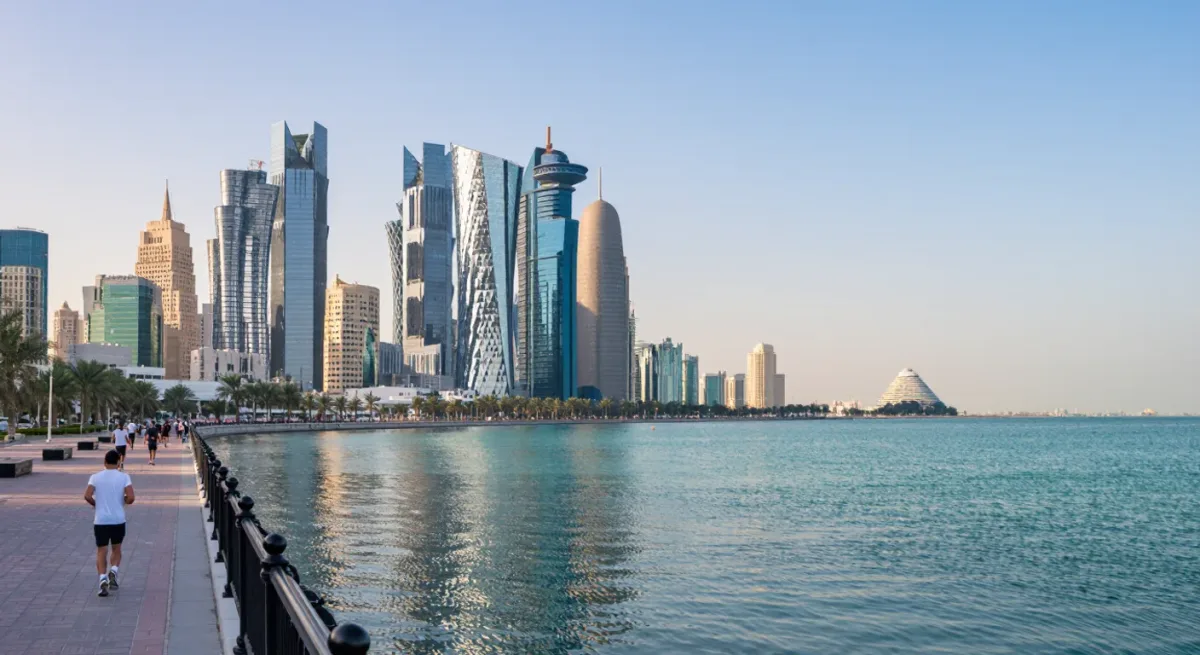
Qatar's reform package, legislated in 2020 and phased in through 2021, is the deepest in the region. Two laws dismantled the core mechanics: workers gained the right to change employers after giving notice, without a no-objection certificate from the sponsor, and exit permits for leaving the country were abolished for the large majority of workers, with a narrow protected-category exception. Alongside these, Qatar introduced a non-discriminatory basic minimum wage of 1,000 riyals per month, plus food and accommodation allowances set at 300 and 500 riyals where not provided in kind, the first binding minimum wage applying to all workers in a Gulf state. The changes were negotiated with technical support from the ILO Project Office for the Gulf, established in Doha in 2018, and their enforcement, wage-payment monitoring, complaint committees, dispute resolution timelines, remains the active frontier.
What Saudi Arabia changed
Saudi Arabia's Labour Reform Initiative, launched in March 2021, applied comparable changes to the largest migrant labor market in the Gulf, several million expatriate workers. Under the initiative, expatriate workers under the labor law gained the right to transfer employment upon notice, in place of employer consent, and the exit-reentry visa rules were relaxed so that most workers no longer need sponsor approval to travel, with quotas limiting transfers per employer preventing wholesale poaching. The reforms excluded the domestic-worker category initially, and later rules extended partial transfer rights to that segment. The kingdom also moved wage protection fully into its electronic WPS platform, which the labor ministry uses to flag delayed payment.
| Jurisdiction | Status of core kafala mechanics | Anchor reform |
|---|---|---|
| Qatar | Abolished for most workers | 2020-21 laws; minimum wage 1,000 QAR |
| Saudi Arabia | Reformed for labor-law workers | Labour Reform Initiative, March 2021 |
| UAE | No NOC needed to change jobs since mid-2010s; contracts fixed-term | 2022 labor relations law |
| Bahrain | Flexible permit system since 2017, later revised | Flexi permits, then phased revisions |
| Kuwait, Oman | Sponsorship consent structures largely remain | Domestic worker law 2015 (Kuwait) |
| Lebanon, Jordan | Kafala applies to migrant domestic workers | Standard contracts, partial reforms |
Where the system still bites
Three gaps carry most of the remaining harm. Domestic workers, the maids, drivers and caregivers employed under household sponsorship, remain outside full labor-law coverage in several states, including the largest markets, and they carry the highest documented rates of passport retention and wage nonpayment. Enforcement lags statute: notice-based job transfer exists on paper in the reformed states but is contested in practice through non-compete claims, false absconding reports and transfer-fee friction. And the recruitment chain that precedes the visa, agencies in source countries from Kerala to Nairobi to Dhaka, sits largely outside destination-state jurisdiction, which is why bilateral labor agreements and the ILO's fair recruitment framework have become the main venue for the next round of reform.
Why the reforms came when they did
The timing was reputational and economic at once. Qatar's reforms ran through the scrutiny window of the 2022 World Cup cycle, with the ILO office in Doha as the technical vehicle. Saudi Arabia's initiative landed as the kingdom competed for global talent for its giga-projects and sought to make its labor market legible to international investors. Both states framed the changes as market efficiency rather than concession, and both retain the sponsorship architecture at the level of residence permits: what changed is the lock-in, not the sponsorship of legal presence itself.
What changed for the worker on the ground
The practical before-and-after is easiest to see in the exit and the job change. Before Qatar's reform, a worker leaving Doha on holiday needed the sponsor's exit permit, and a denied permit meant a stranded workforce and a de facto travel ban; after the 2020-21 laws, the permit survives only for a narrow protected category, and the vast majority book and fly like anyone else. Job change worked, before, through the no-objection certificate, which converted every resignation into a negotiation with the employer who held the visa; after, notice-based transfer replaced it, with the notice periods and the dispute committees as the enforcement venue. The same two changes in Saudi Arabia's Labour Reform Initiative cut the absconding-report weapon and the transfer-consent market. What did not change is structural: residence still rides on the sponsoring employer's legal existence, so company liquidations, bankruptcies and license lapses still strand workers in a way employees of stable Western firms never experience, and the wage-protection systems that catch delayed pay run only where employers are inside them.
For another structural explainer on how the Gulf's work arrangements actually function, read our guide to why the region's weekends moved to Saturday and Sunday, or browse the society and culture section.