The region's teams opened their 2026 World Cup campaigns in North America with a split verdict: Morocco and Qatar came out of their first matches with encouraging results, while Tunisia, Iraq, Algeria and Jordan suffered heavy defeats in their openers, per The National's roundup of the region's first matchday on June 17, 2026. For a region sending one of its largest-ever delegations to an expanded 48-team tournament, the opening week set brackets and storylines for the month ahead.
The tournament, co-hosted by the United States, Mexico and Canada, is the first World Cup with 48 teams and the first in which the MENA region qualified this broad a field: the traditional North African powers, the Gulf qualifiers, and Jordan appearing at a World Cup for the first time in the country's history. The regional viewing audience, which spans time zones friendly to North American afternoon kickoffs, has made the tournament a prime-time event across the Middle East and North Africa through the group stage.
What happened on the field
Morocco, the 2022 semifinalist and the region's highest-ranked side, opened with the performance expected of it, controlling its fixture and taking a result that keeps the knockout path open, extending the competitive credibility built in Qatar four years ago. Qatar, the 2022 host, matched the standard with an encouraging opening result of its own in its first qualification earned on the pitch outside its home confederation's automatic slot.
The other side of the ledger was heavier. Tunisia, Iraq, Algeria and Jordan all lost their openers by wide margins, per the June 17 roundup, results that compress their qualification arithmetic into must-win second fixtures. For Jordan, the defeat sits against the achievement of simply arriving: the qualification campaign that carried the Nashama to a first World Cup remains the national team's historic high regardless of the scoreline in the opener. For Iraq, the tournament is the first World Cup appearance since 1986, a return four decades in the making.
The region's World Cup economy
Beyond the results, the tournament is a business event for the region's sports-media complex. Broadcast rights across MENA, concentrated with the regional sports networks, carry the time-zone advantage of North American afternoon kickoffs arriving in Gulf and North African prime time, and advertising markets from Casablanca to Riyadh price the month accordingly. Saudi Arabia's absent national team, which missed qualification, watches with a different agenda: the kingdom hosts the next World Cup in 2034, and its football administration has treated this tournament as a scouting and operational rehearsal, from squad-building through the Pro League's player recruitment to venue and event-management partnerships.
| Team | Opening result | Context |
|---|---|---|
| Morocco | Encouraging | 2022 semifinalist, region's top-ranked side |
| Qatar | Encouraging | 2022 host, qualified on the pitch |
| Tunisia | Heavy defeat | Must-win arithmetic from match two |
| Iraq | Heavy defeat | First World Cup since 1986 |
| Algeria | Heavy defeat | Return after missing 2022 |
| Jordan | Heavy defeat | First-ever World Cup appearance |
What the opening week means
One matchday is a small sample in a format where the third group fixture, with qualification scenarios settled, often decides advancement, and the 48-team structure's best-third-place routes give even opening losers mathematical paths forward. The historical pattern still binds: no team losing its first two group matches advances, which makes the second fixtures the tournament's real cliff for the region's wounded four. Morocco's campaign, meanwhile, carries the region's expectations in the way 2022 demonstrated is commercially and diplomatically tangible, and its results move Arabic-language social traffic at national-event scale.
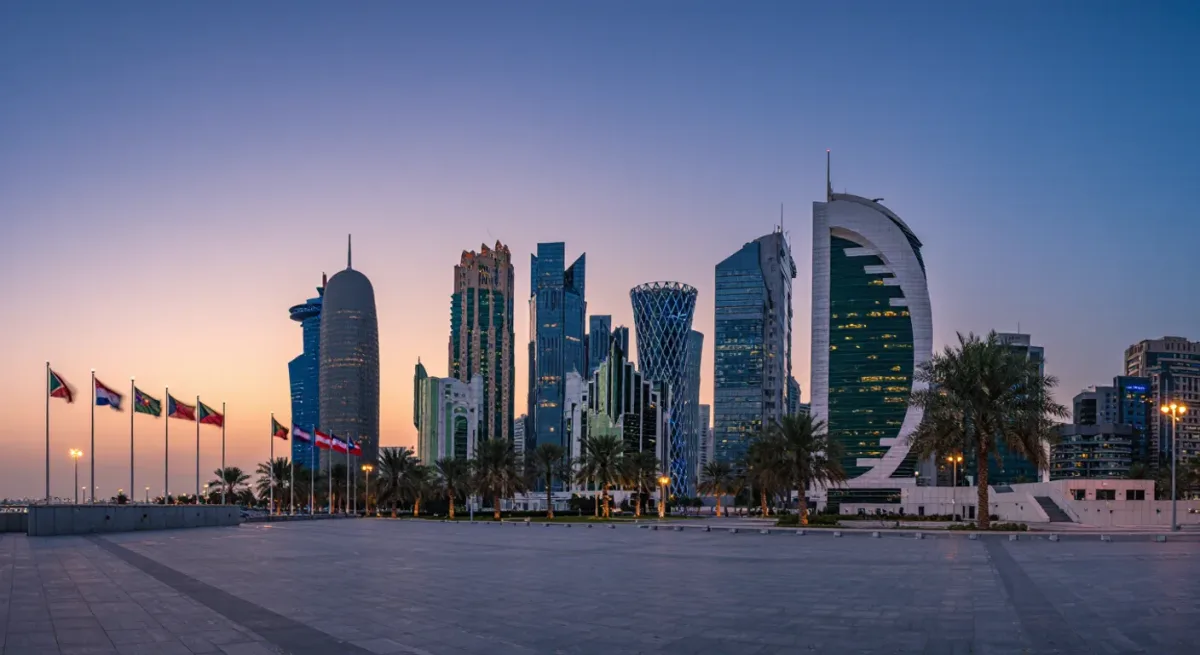
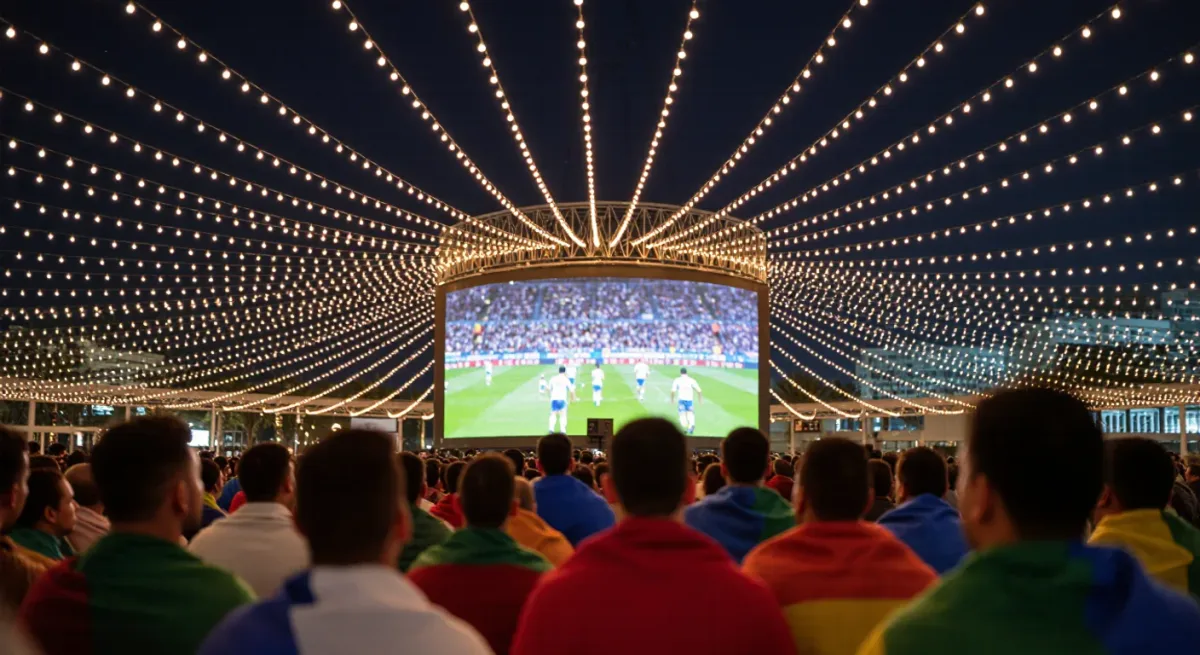
The scheduling reality also matters for regional audiences: group-stage matches continue through the North American summer evenings, and the knockout rounds arrive in July. Fan zones in Doha, Riyadh, Casablanca, Tunis and Amman have been licensed at scale for the tournament month, and the region's airlines added capacity on North American routes for supporters following teams in person.
The tournament's regional economics
Behind the results, the World Cup is running as a business story across the region's media and consumer markets. Regional sports networks carrying MENA broadcast rights scheduled their advertising inventory around the prime-time kickoffs that North American afternoons deliver to Gulf and North African evenings, and the group stage's ratings have tracked the region's teams' fortunes, spiking through Morocco's and Qatar's matches. Telecom operators packaged tournament streaming tiers; fan zones licensed from Casablanca to Amman turned the late kickoffs into outdoor midnight commerce; and the region's sports-apparel retail ran national-team merchandise at volumes the qualifying campaigns had primed. The betting-adjacent fantasy and prediction ecosystems that operate in the region's gray zones reported their customary tournament surges. For the federations themselves, the tournament's financial distributions, appearance fees plus a per-match structure that rewards advancement, are material against budgets built on state support and sponsorship, and the second group match's stakes are financial as much as competitive for the teams that lost their openers.
The draw's geography matters for the third games: results elsewhere will determine which of the region's teams face must-win scenarios against which opponents, and the region's late-night viewership peaks accordingly.
The region's sports press, for its part, has settled into the tournament's rhythms with its usual verdicts: praise for the organized and criticism for the disorganized, and a consensus that the second matchday, not the first, will be remembered as the moment the region's campaign was truly decided either way.
Follow the region's other summer storylines in our report on the siege warning from Sudan's El Obeid, and browse the MENA news section for continuing coverage.