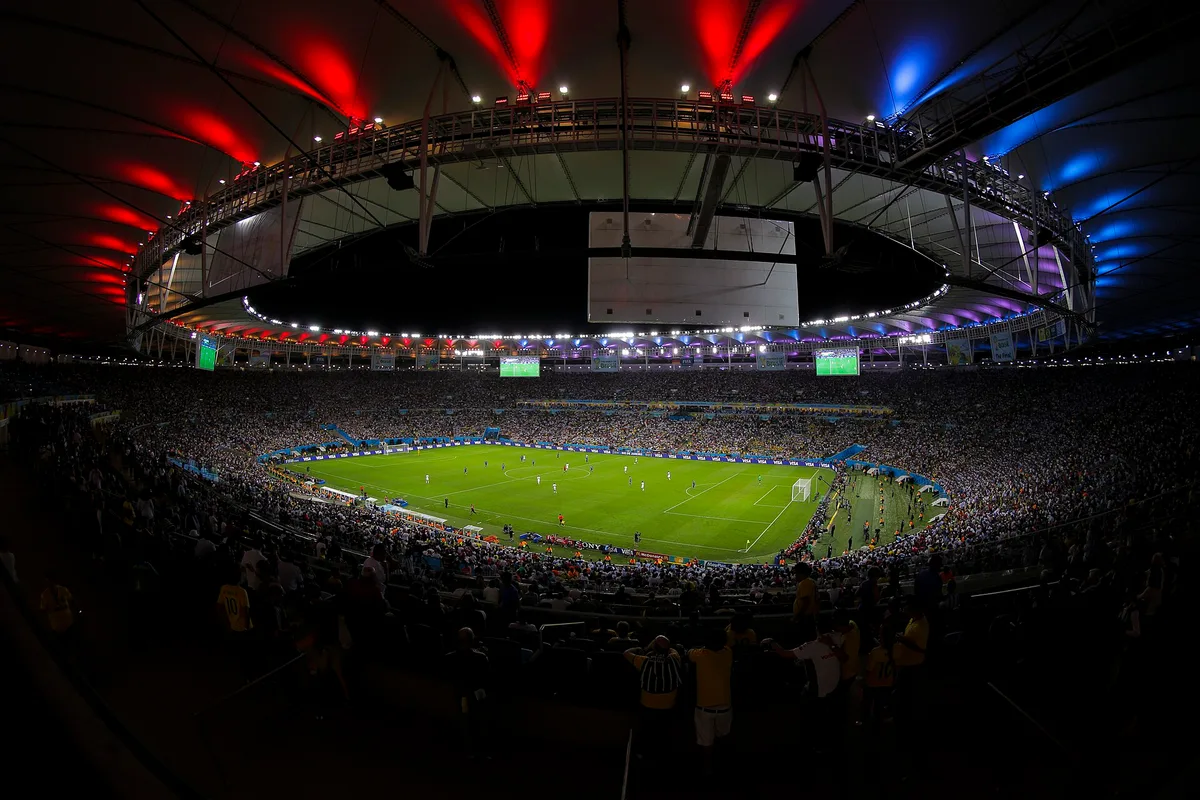
The World Cup decides the best national football team on the planet through two simple stages: a group stage that filters the field, and a knockout bracket that eliminates one team per match until a champion lifts the trophy. Qualification starts years earlier, when regional confederations run their own tournaments to fill the slots. The whole machine is the most watched example of what the English language calls a world championship, a term that, as Wikipedia's entry on the word traces, long predates the tournament itself.
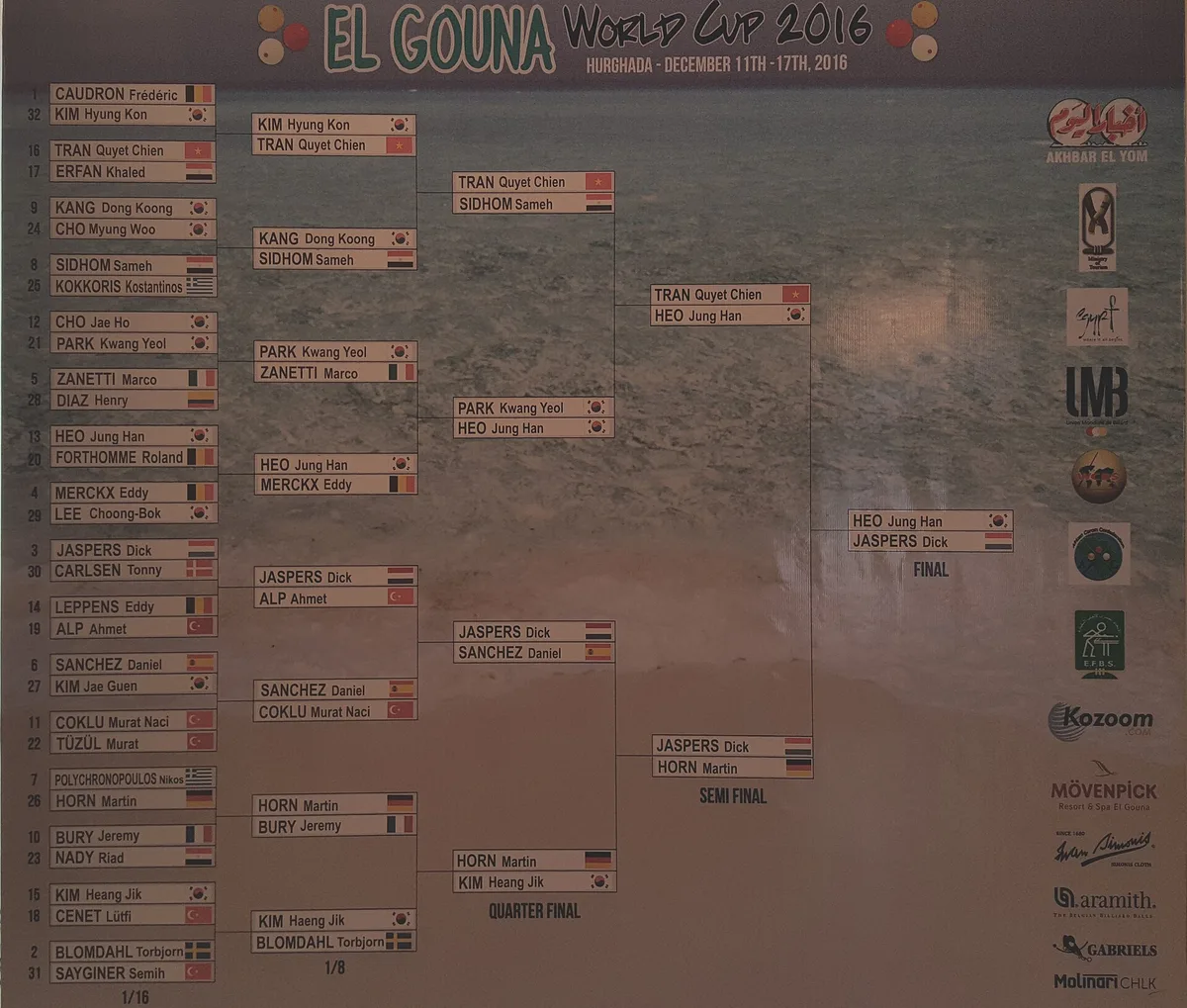
The bracket is the part casual viewers find confusing, and it need not be. Think of it as a tree. Every match prunes one branch. By the final, only one branch is left standing.
What exactly is the World Cup bracket?
A bracket is a fixed chart of matches that shows who plays whom in each knockout round, and who awaits the winner. Before the knockout rounds begin, the bracket's upper half is mostly blank: slots wait to be filled by group-stage survivors. Once the groups conclude, the chart fills in, and each winner's next opponent becomes visible.
The bracket is seeded so that teams from the same group cannot meet again immediately in the first knockout round. That is a deliberate design choice. It rewards group performance with a theoretically softer path and keeps the draw interesting for broadcasters and bettors alike.
How do teams qualify in the first place?
No country simply signs up. The tournament is run by FIFA, the sport's global governing body, and places are allocated across its six regional confederations: Europe, South America, Africa, Asia, North and Central America, and Oceania. Each confederation runs a qualification competition, usually stretching across two years or more, and the allocated number of places goes to the strongest finishers. Readers following this should also see Six months on, Hormuz traffic still a fraction of normal.
The host nation qualifies automatically. Beyond that, the routes differ sharply by region. European qualification is a grind of small groups where the top finishers advance. South America runs a single long league-style table. In some confederations, lower-ranked nations must survive several preliminary rounds just to reach the decisive stage, and a few places are settled by intercontinental playoffs in the final months before the tournament.
The practical effect: qualification is often harder than the tournament itself. A national team can play a dozen qualifiers over two years and still miss out, while the tournament proper lasts about a month.
What happens in the group stage?
The qualified teams are drawn into groups, traditionally four teams each, and every team plays the other three once. A win earns three points, a draw one, a loss none. When the round-robin ends, the top finishers in each group advance to the knockout rounds; the rest go home.
Points are the first tiebreaker, then goal difference, the number of goals scored, and, if teams are still level, head-to-head results. Those tiebreakers explain why a team trailing by two will keep attacking in the final minutes of a dead rubber: a single extra goal can flip an entire group table.
The group stage is where the bracket takes shape. Finishing first means a theoretically easier knockout opponent; finishing second means landing in the stronger half of the draw. Fans of the sport treat the final round of group games, played simultaneously to prevent collusion, as a tournament within the tournament.
How does the knockout stage work?
From here, it is single elimination. Win and advance; lose and the tournament is over. The rounds run from the last 32 or last 16, depending on the size of the field, through the round of 16, quarter-finals and semi-finals, to the final. A third-place playoff traditionally settles the bronze medal.
Knockout matches cannot end in a draw. If the score is level after 90 minutes, the teams play extra time, two additional periods. If still level, the match goes to a penalty shootout, where each side takes alternating kicks from the spot until one wins. Shootouts are football's cruellest mechanism and its most decisive.
Our analysis: the bracket's real drama is structural. Because the draw fixes paths in advance, one giant can fall early while the opposite half of the chart stays intact, producing finals between teams that never looked like the two best sides at the start. The bracket does not find the best team so much as the team that survived its half.
Why does the format matter beyond sport?
The tournament's structure has consequences that reach well past the pitch, which is why Sala News has covered it as a matter of global tournaments and soft power: why nations host the World Cup. Hosting rights are contested years in advance, and the group draw, played in the host country, becomes a diplomatic and commercial event in its own right. Sponsors, broadcasters and national tourism boards all plan around the bracket long before a ball is kicked. We covered a connected angle in Global Tournaments and Soft Power: Why Nations Host the World Cup.
The field has also grown over the decades, which changes the bracket's shape: more groups, more knockout rounds, more chances for smaller footballing nations to reach the elimination stage. Each expansion reopens the argument about whether a longer tournament dilutes quality or spreads the sport's wealth more widely.
For a first-time viewer, the takeaway is simple. Watch the group stage to see who earns their place in the tree. Watch the knockout rounds to see the tree get chopped down. And when a shootout arrives, stop whatever else you are doing.
The bottom line for new fans
The World Cup works because its two-stage design does two jobs at once. The group stage rewards consistency over a short campaign, and the knockout bracket rewards nerve on a single night. Qualification, run regionally over years, supplies the field and supplies most of the heartbreak. Follow the points table first, the bracket second, and the whole thing makes sense by the quarter-finals.