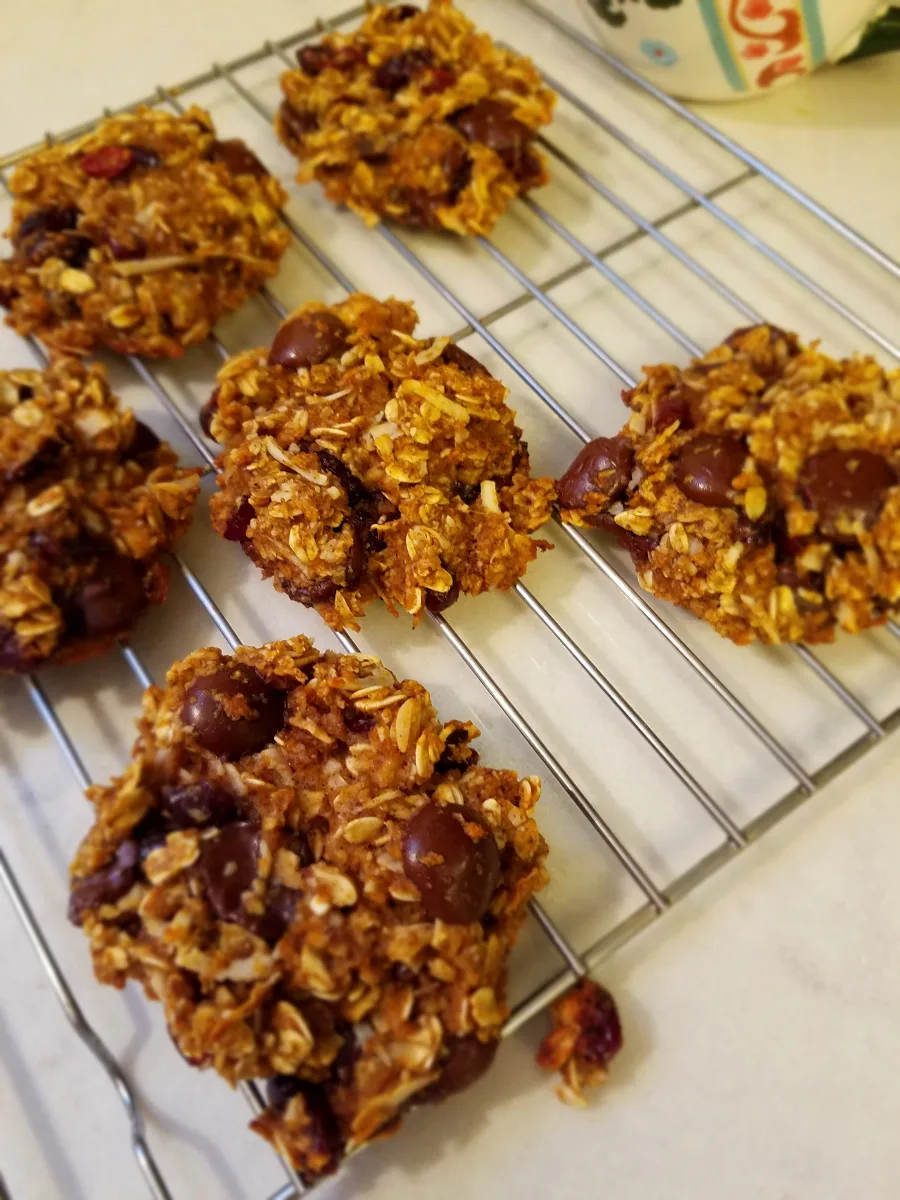
Energy balls are no-bake snacks made by blending dates, nuts and oats into a sticky dough, then rolling it into small rounds. No oven, no baking skills, and about fifteen minutes of work. This energy balls recipe approach keeps things simple: one base formula, a few swaps, and storage rules that keep a batch good for days.
The popular assumption is that these snacks are complicated or that they need protein powder and special ingredients. The opposite is true. Soft dates act as the binder, nuts add fat and protein, and oats stretch the batch while slowing the sugar hit. Everything else is optional.
Home cooking writers have long pushed beginners toward recipes with few ingredients and no special skills, and this snack fits that brief. A roundup of easy homemade recipes on Homemade Recipes makes the case that flexible, forgiving dishes — the kind kids can help make — are the ones worth mastering first. No-bake snacks sit squarely in that category.
What goes into a balanced energy ball?
A balanced batch rests on three parts working together. Dates supply sweetness and hold everything together. Nuts supply fat and protein, which is what turns a sweet bite into something that actually satisfies. Oats absorb moisture, add fibre, and keep the texture from becoming dense. We covered a connected angle in OPEC+ adds 206,000 barrels per day for April as war disrupts supply.
A workable starting ratio is simple to remember: roughly equal volumes of dates, nuts and oats, adjusted to taste. Soft varieties such as Medjool blend most easily. Firmer dates need a short soak in warm water first. Any nut works — almonds, cashews, walnuts — and nut butter can replace part of the whole nuts when a smoother result is wanted.
What this means in practice: if a batch tastes too sweet, add more oats or nuts. If it crumbles, add another date or a spoon of nut butter. The formula bends; it rarely breaks.
How do you make the basic energy balls recipe?
The method takes four steps and one food processor. A blender can work in a pinch, but a processor handles the thick dough far better.
- Pit the dates. Roughly chop them so the blades catch easily. If they feel dry, soak them in warm water for ten minutes and drain well.
- Pulse the nuts and oats first. A few pulses break them down evenly. Leave some texture unless a smooth finish is the goal.
- Add the dates and blend. Run the processor until the mixture clumps into a sticky dough that holds when pressed between two fingers. If it stays loose, add a date or a teaspoon of water.
- Roll the balls. Scoop about a tablespoon at a time and roll between palms. Chill the dough for ten minutes first if it sticks to your hands.
The batch size is flexible. A standard mix of one cup each of dates, nuts and oats yields around a dozen balls, depending on how large they are rolled. Small hands help here — this is a good task for children, with an adult handling the processor.
Which add-ins work, and which do not?
Once the base dough comes together, most flavour additions are safe bets. Stir them in after blending or pulse them briefly at the end.
- Seeds: chia, flax or sunflower seeds add crunch and fibre without changing the flavour much.
- Spices: cinnamon, cardamom or ginger suit date-based dough well. Cardamom in particular pairs naturally with dates across Middle Eastern cooking.
- Cocoa: a spoon of cocoa powder turns the batch into something close to a brownie bite.
- Coconut: shredded coconut can go inside the dough or coat the outside.
- Citrus zest: orange or lemon zest brightens a batch that otherwise tastes heavy.
One caution: fresh fruit is the main thing to avoid. It adds water, which makes the dough wet and shortens shelf life sharply. Dried fruit, in small amounts, is the better route. Liquid sweeteners such as honey or syrup should also stay minimal — the dates already do that job.
How should energy balls be stored?
Storage is where these snacks earn their keep. Because the ingredients are low in moisture, the balls hold well without refrigeration for short periods and keep longer when chilled.
- Room temperature: an airtight container away from heat keeps them good for a few days. This suits lunchboxes and travel.
- Refrigerator: chilled storage extends that window to roughly a week and firms the texture, which many people prefer.
- Freezer: frozen in a sealed bag or container, they keep for a couple of months. Thaw briefly at room temperature or eat them straight from the freezer.
Layer balls between sheets of baking paper so they do not stick together. Label the container with the date made — a small habit that settles any doubt about how old a batch is.
Practical steps for a first batch
Our analysis of what trips up beginners points to three fixes. First, weigh nothing; judge by texture. The dough should press into a ball, not crumble or smear. Second, taste the raw dough before rolling — it is safe to eat and the last chance to adjust sweetness or spice. Third, make a small first batch. A dozen balls is enough to learn the texture without committing a full pantry to it.
One concrete detail worth knowing: date paste is a traditional sweetener across the Middle East and North Africa, so this snack style is less a modern invention than a new shape for an old combination. Markets from Fez to Muscat have sold pressed date confections for generations, often with nuts folded in — the logic of this energy balls recipe is the same, just rolled smaller. For related coverage, see Brent, Murban, OSPs: how Middle East oil is actually priced.
The evidence here is qualitative rather than measured: no lab test says one ratio is perfect. What the durable knowledge establishes is the role each ingredient plays and the storage behaviour that follows from low moisture. What remains unknown is personal preference — which is why the swaps above matter more than any single formula.